
1. Assess & set up
We evaluate the space and set up commercial heaters and air movers so heat will circulate through the whole area.
Bed bug heat treatment, also called thermal remediation, uses carefully controlled heat of 130 to 150°F to reach bed bugs where they hide and eliminate every life stage—including the eggs. It is the only service we offer, and we do it with total focus.
Bed bug heat treatment works by raising the air and surface temperature of an entire space to a level bed bugs cannot survive, then holding that temperature long enough for the heat to penetrate everywhere they hide. Our treatments bring the space to 130 to 150°F and hold it there. A brief spike is not enough—the temperature has to be reached and maintained across the whole room.
Because heat has to travel into mattress cores, upholstered furniture, cracks, baseboards, outlets and wall voids, we hold the space at 130 to 150°F, well above what bed bugs can survive. That margin means even the coldest pocket in a piece of furniture or a deep crevice climbs into the lethal zone and stays there. This is a combination of three things working together: reach, temperature, and time.
That is also why heat is fundamentally different from a surface treatment. Instead of trying to contact insects one by one, thermal remediation changes the condition of the entire environment. Bed bugs do not have anywhere to retreat to, because the heat follows them into the same hidden spaces they normally use for shelter.
Yes. Sustained lethal heat destroys bed bug eggs, which is one of the most important advantages of thermal remediation. Bed bug eggs are notoriously tough and are cemented into seams and crevices, and many approaches struggle to reach every one of them. Because properly applied heat penetrates the same hidden places where eggs are laid, it can eliminate eggs along with nymphs and adults in the treated area.
A heat treatment has to reach every stage at once: eggs, all five nymph stages and adults. Here is what each one looks like.
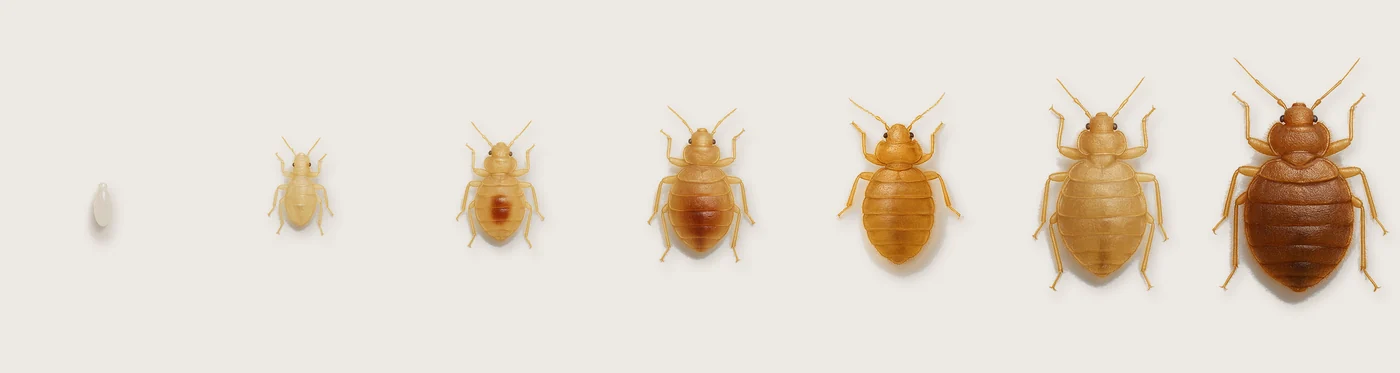

Heat reaches bed bugs that surface products miss because heated air moves into voids and crevices that a liquid or dust never fully coats. Bed bugs are experts at hiding, and the heat follows them: behind baseboards, inside and behind electrical outlets, behind picture frames, and in, under and behind dressers, as well as mattress seams, the joints of wooden furniture and deep wall voids. A treatment that only addresses surfaces you can see leaves the most protected bugs untouched.
Thermal remediation approaches the problem from the opposite direction. As the whole room climbs in temperature, the heat conducts through materials and into those same hidden pockets. There is no need to guess where every bug is, because the goal is to bring the entire environment—including the places you cannot inspect—into the lethal range at the same time.
This whole-room reach is the practical reason heat can address an infestation that has spread beyond a single mattress or nightstand. It treats the room as one connected space rather than a collection of individual spots.
Less clutter means better results. Every pile of clothes, stack of boxes or full bag is one more place for bed bugs to hide and one more thing the heat has to work its way through. You do not need a spotless home, and we never judge. If a space is very full, your technician will help you decide what to do before treatment day, one step at a time.
No. Bed bugs cannot develop resistance to heat the way populations have adapted to some insecticides. Over years of chemical use, certain bed bug populations have become far less affected by products that once worked well against them, which is part of why infestations can be so persistent. Heat does not rely on a chemical mode of action that an insect can adapt around—it is a physical process. When a bed bug's body is held at a lethal temperature long enough, it cannot survive, and that biology does not change from one generation to the next.
Heat also leaves no chemical residue behind. Once the space has cooled, there is no pesticide film left on your mattress, floors or furniture. For many households—especially those with children, older adults or sensitivities—a chemical-free bed bug treatment is a meaningful reason to choose heat. It is a large part of why we built our company around this one method instead of offering everything.
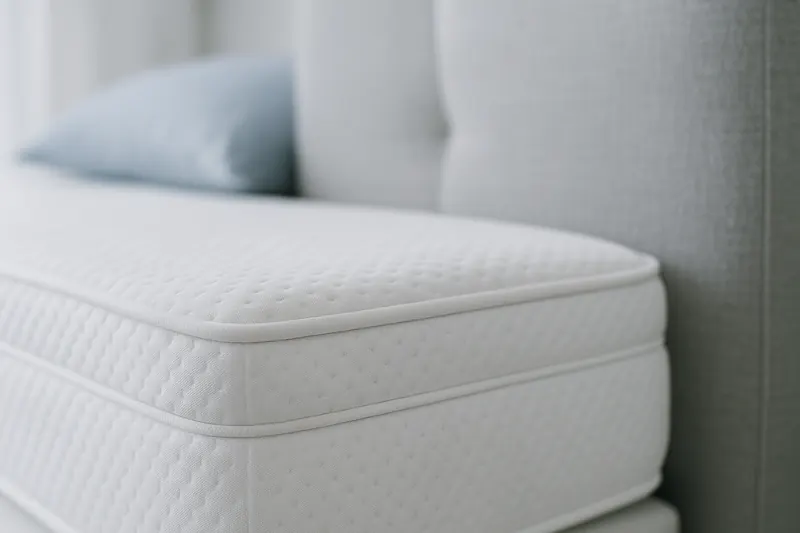
We use commercial heaters to bring the space up to 130 to 150°F, and air movers to keep that hot air moving so it reaches into mattresses, furniture, closets and wall voids instead of pooling in one spot.
Our technicians manually check temperatures with heat guns (infrared thermometers) every 15 to 20 minutes throughout the treatment, paying extra attention to the spots that are hardest to heat, like the inside of furniture, behind dressers and along exterior walls. If an area is running cool, they reposition the air movers and heaters until it catches up.
The goal is confidence, not guesswork: we keep checking by hand until the whole treated area has reached and held the target range.
A treatment moves through clear stages. Exact timing depends on the property, so we set expectations honestly rather than promising a fixed clock.
We evaluate the space and set up commercial heaters and air movers so heat will circulate through the whole area.
The temperature is raised to 130 to 150°F and held there long enough for heat to penetrate furniture, cracks and voids.
Technicians check temperatures by hand with heat guns every 15 to 20 minutes, and air movers are repositioned so the coldest pockets in the room also reach the target range.
Once the parameters have been met, equipment is removed, the space cools, and you receive straightforward guidance on returning.
Durations vary. A compact single room and a large or heavily furnished space will not take the same amount of time, and we would rather reach the right temperature everywhere than rush to a promised finish.
There is no one-size-fits-all list. Every home and every situation is different, so before treatment day our expert gives each client a personalized list for their property.
The few heat-sensitive items that should come out of the treated space for your property.
Anything that needs to be packed, bagged, moved or protected, and how to handle it.
Most furniture, mattresses and belongings stay right where they are so the heat can treat them too.
Questions about your list? Call (866) 551-6552 and talk to the person who will plan your treatment. Se habla español.
The science is the same in both, but the planning around it changes. Residential and commercial spaces carry different layouts, contents and scheduling needs.
In a home, treatment centers on bedrooms and living areas and on the belongings inside them. We work with you on which heat-sensitive items to remove and how to plan the day around your household, pets and comfort.
Businesses often need discretion and minimal disruption. Larger or more complex spaces may call for more equipment and coordination with your schedule so operations are affected as little as possible.
Apartments and short-term rentals share walls and turnover pressure. We help you think through the affected unit or units so the plan fits the realities of a building with many neighbors.
No one should promise you guaranteed eradication, and we will not. What a well-executed heat treatment does is bring the treated space into a sustained lethal temperature range designed to eliminate bed bugs at every life stage in that area on the day of service. That is a powerful result, and for many properties a focused whole-room treatment addresses the problem in a single visit.
But real infestations vary. The severity of the problem, how far it has spread, the layout of the property, and the risk of re-introduction from luggage, visitors or shared walls all influence the outcome. Being honest about those variables is part of doing this responsibly. When you contact us, we will talk through your specific situation and what a realistic next step looks like—no scare tactics and no false promises.
A real example. One family did everything we asked of them before treatment day, and the heat did its job inside the house. Then bed bugs turned up again. We found the source outside: patio chairs, along with shoes that had been left out of the treated area, were carrying bed bugs and were brought back inside. Heat can only treat what is in the treated space on treatment day. That is why we do not offer a guarantee, and why we talk through every way bed bugs could come back with each client.
A short selection below. For a fuller list covering safety, timing and what to expect, visit our complete FAQ page
Heat treatment leaves no chemical residue on your belongings or living surfaces, which is a key reason many households prefer it. The tradeoff is temperature: because the room gets hot, heat-sensitive items need to be removed first. We go over those items with you when you book so nothing you care about is put at risk, and people and pets stay out of the space while treatment is underway.
No. Whole-room heat treatment is the only service we offer. We do not provide chemical, pesticide, spray or fumigation services. Our entire focus is thermal remediation done well, which is why careful temperature checks are such a central part of how we work.
We serve communities across Southern California, including Menifee, San Diego, Corona, Temecula, Murrieta, Riverside, San Bernardino, Hemet, Lake Elsinore, Perris, Wildomar, Sun City, Canyon Lake, Escondido, Los Angeles, Orange, Anaheim, Palm Springs, Victorville and Barstow. If you are nearby and not sure whether you are in our area, reach out and ask.
Tell us about the property and what you are seeing. You can request a quote online or call (866) 551-6552, and we will help you understand the next step. There is no sales script—just straight answers about your situation.
Tell us about the property and we'll help you understand the next step.